Why it matters in Vaughan homes
January and February in York Region can sit far under zero for days, and the wind hunts out every gap in a house. Pipes inside heated rooms rarely freeze. The trouble spots are lines in exterior walls, under cantilevered floors, in garage ceilings and in crawlspaces. Split-levels and backsplits from the 1970s and 1980s, common across Woodbridge, Thornhill and Maple, put bathrooms and kitchens over garages more often than you might expect. Newer homes have tighter envelopes but sometimes route plumbing to islands and bonus rooms through cold spaces.
When water freezes, it expands. The pipe may hold while frozen and then let go as it thaws, which is why burst pipes often appear on the first mild day after a cold snap.
Step by step
- Find your main shut-off. Know where it is and make sure it turns. Our guide to the main water valve shows what to look for.
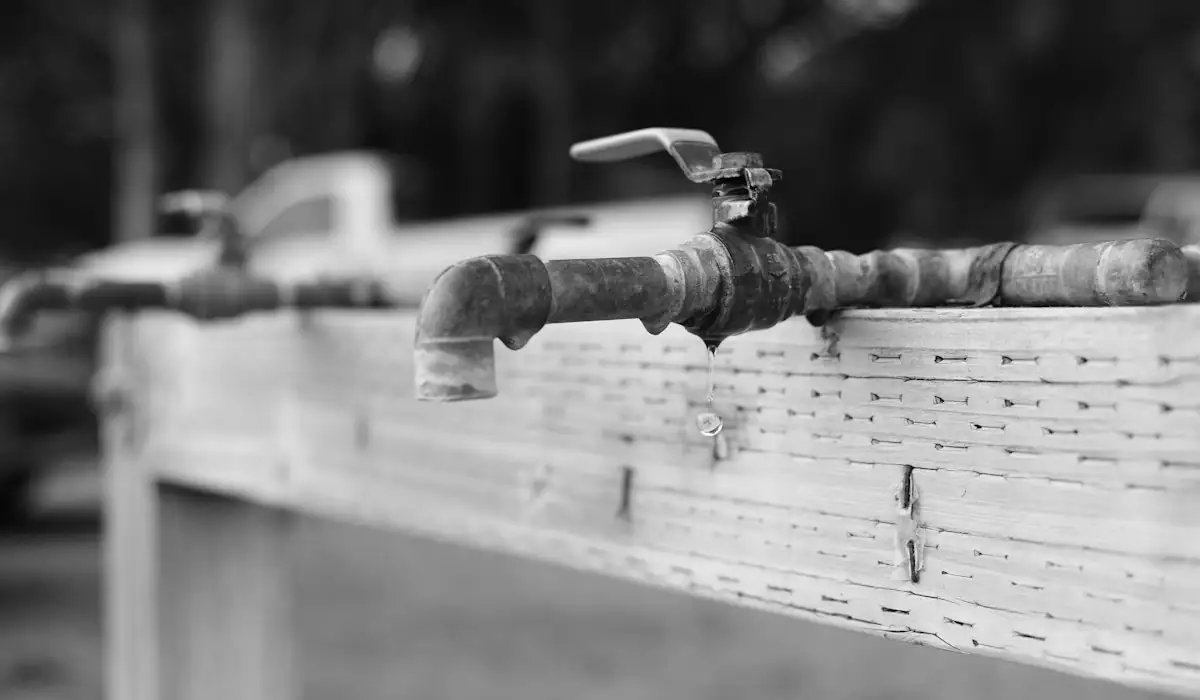
- Drain outdoor taps. Close the inside valve for each hose bib, open the tap outside, and leave it open. Disconnect hoses. Our outdoor tap winterizing guide has the details.
- Insulate exposed lines. Foam pipe sleeves from any hardware store go on in minutes in unfinished basements and garages.
- Seal drafts. Spray foam or caulk around rim joists, dryer vents and where pipes pass through exterior walls.
- Keep the garage closed. If plumbing runs through a garage ceiling or wall, the door makes a real difference on cold nights.
- Open cabinet doors. On the coldest nights, let warm room air reach sinks on outside walls.
- Let a tap drip. A slow trickle from a vulnerable fixture keeps the line flowing and gives ice-pushed water somewhere to go.
- Keep the heat on. When you travel, leave the thermostat at a moderate setting and have someone check the house.
Standing over the problem right now?Ring (365) 364-0926 and describe what you see.
Common mistakes
- Leaving a garden hose attached to a frost-free tap, which traps water inside the valve.
- Dialling the heat right down for a trip.
- Insulating the pipe but leaving the draft beside it open.
- Thawing a frozen line with an open flame, which can start a fire inside the wall.
- Waiting to call until a thawed pipe is already spraying water.
Time to bring in Vaughan Plumbers
If a fixture has no water on a cold morning and you cannot reach the frozen section safely, call. If a line has already split, shut the main valve first, then call. We handle frozen pipe thawing and leak detection when a burst may be hidden in a wall. If water has reached the basement, our basement flood checklist covers the first hour. And if a frozen drain keeps backing up, drain cleaning may be needed once it thaws.
A pipe that froze once will freeze again. After a thaw, it is worth finding out why that spot got cold and fixing the cause, whether that is an uninsulated bay, daylight showing past the sill plate, or a line that should be rerouted.
Keep a simple note of which rooms ran cold last winter. That list becomes your checklist for next fall, and it tells a plumber exactly where to look if a line does freeze.
Questions from callers
What temperature do pipes freeze at?
Water freezes at zero degrees Celsius, but pipes in a heated house usually only freeze during extended cold well below that, especially with wind.
Does leaving a tap dripping really help?
Yes. Moving water is slower to freeze, and an open faucet gives trapped water an exit if a plug of ice forms.
Is closing the main smart before a winter trip?
For longer trips it is a good idea, as long as the heat stays on. Talk to us if you have a boiler or other water-dependent heating.
Ready when you are.Call Vaughan Plumbers at (365) 364-0926. A person answers.